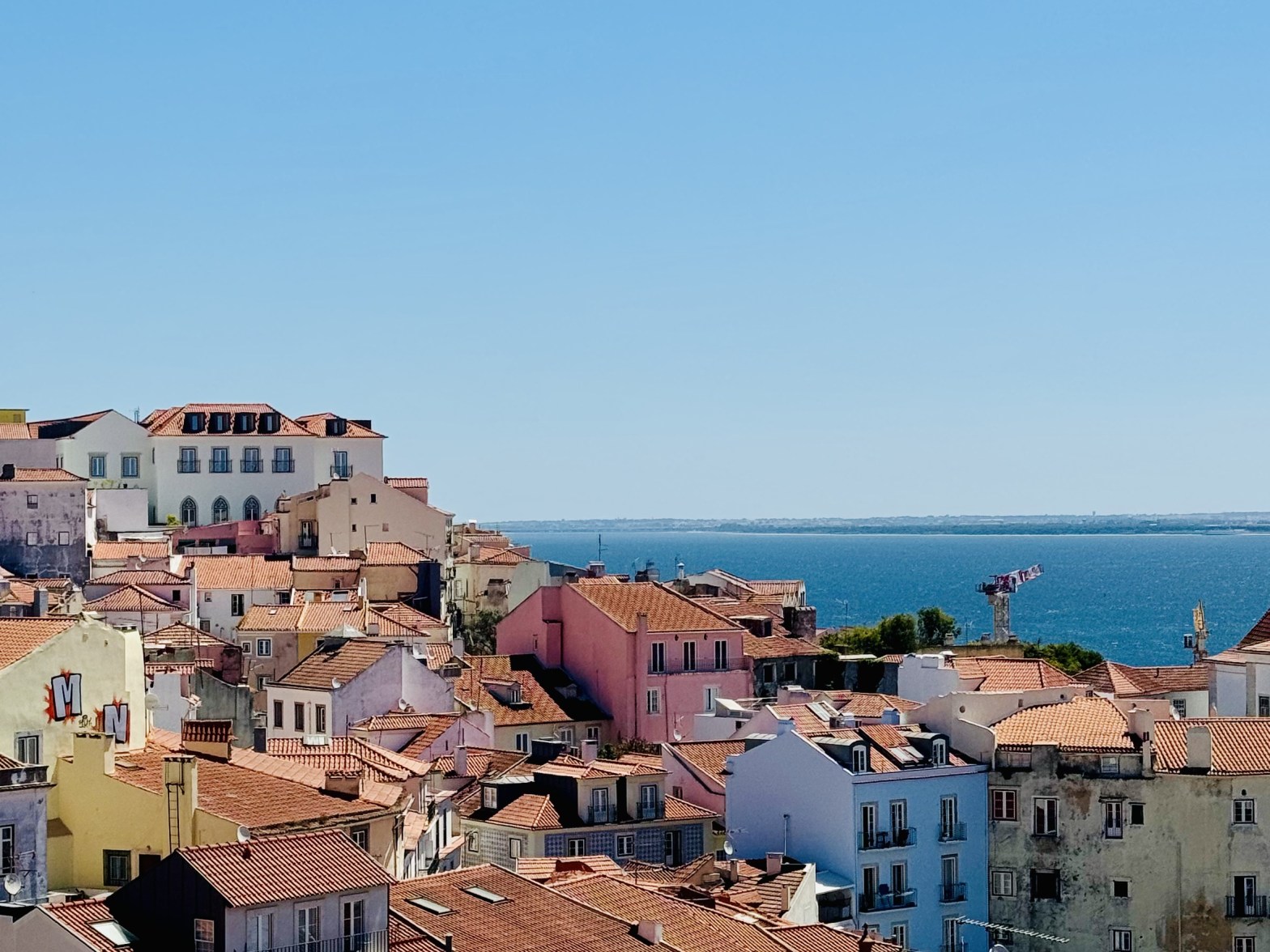
The next time you find yourself planning a European adventure, don’t miss out on the chance to explore Alfama located in neighborhoods of Lisbon, Portugal. It’s a neighborhood that promises to enchant and inspire, leaving you with memories to cherish for a lifetime.
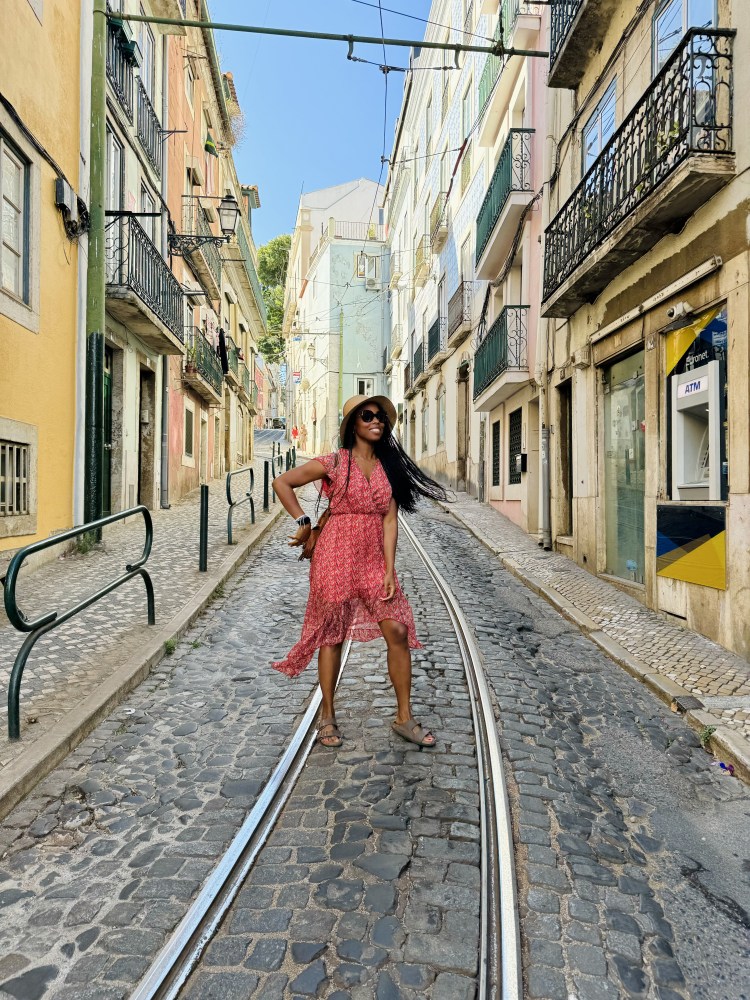
After hopping on a short, affordable flight from Paris, I found myself in the heart of Lisbon, Portugal. The city’s charm was evident from the moment I landed, but it wasn’t until I ventured into the Alfama district that I truly fell in love. Alfama is one of the oldest neighborhoods in Europe, and it feels like stepping back in time. Here, narrow streets wind their way up steep hills, and every corner reveals a new piece of history or a breathtaking view. Whether you’re a history buff, a foodie, or an art lover, Alfama has something special to offer. Let’s dive into 8 reasons why Alfama should be at the top of your travel list.
1. Authentic Old City
Alfama is a living museum of Lisbon’s history. As one of the city’s oldest neighborhoods, it retains a village-like atmosphere that’s hard to find elsewhere. The streets are a maze of narrow, winding alleys, steep staircases, and hidden courtyards. You don’t need a map; just let your curiosity guide you. You’ll stumble upon charming little squares, local shops, and tiny restaurants where the scent of grilled sardines fills the air.
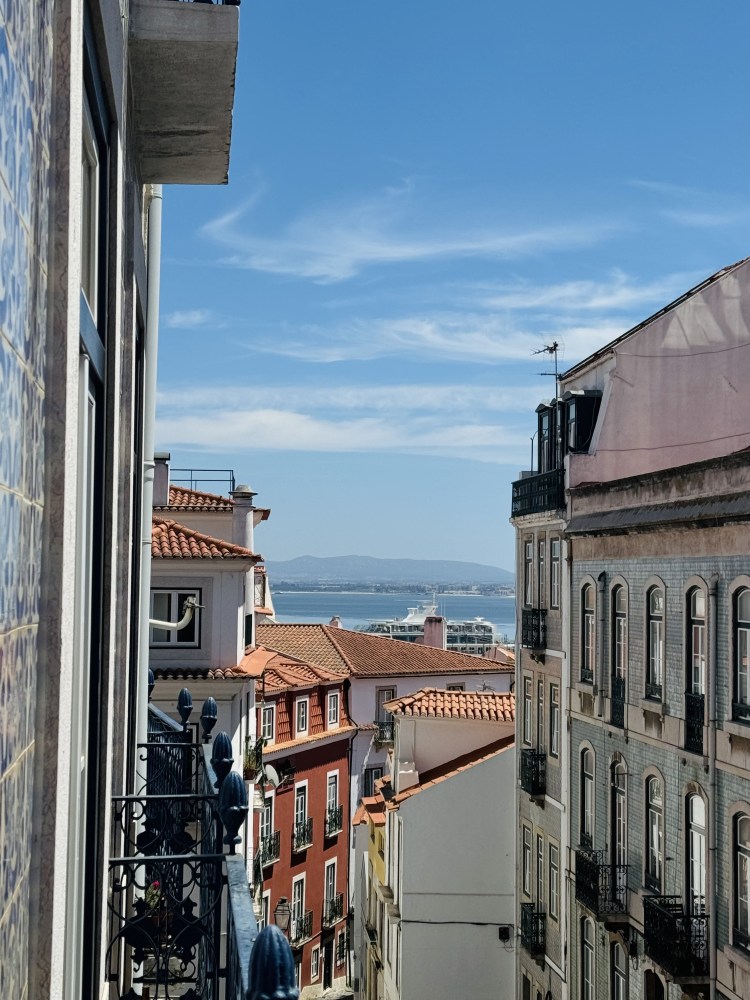
Walking through Alfama, you can almost hear the echoes of its past. This area was once home to Lisbon’s elite before becoming a fishing community. Today, it’s a vibrant mix of locals and tourists, but it hasn’t lost its old-world charm. Elderly residents still chat across balconies, laundry flutters in the breeze, and the sounds of traditional fado music spill out of cozy bars. It’s a place where you can truly feel the heartbeat of Lisbon.
2. Vibrant Colorful Exteriors
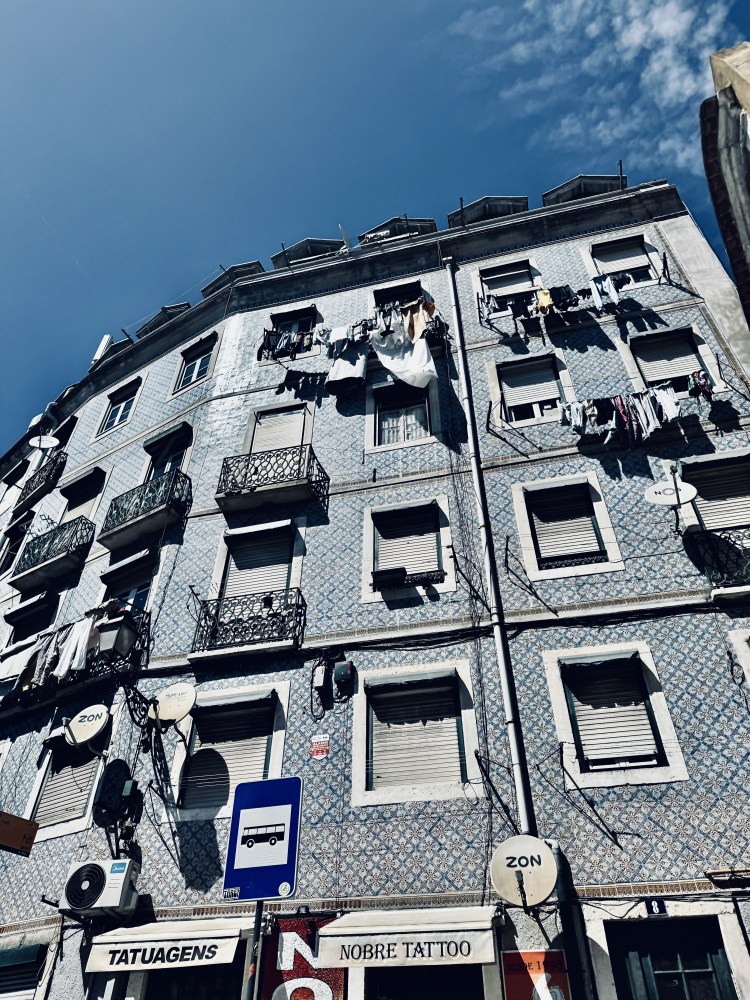
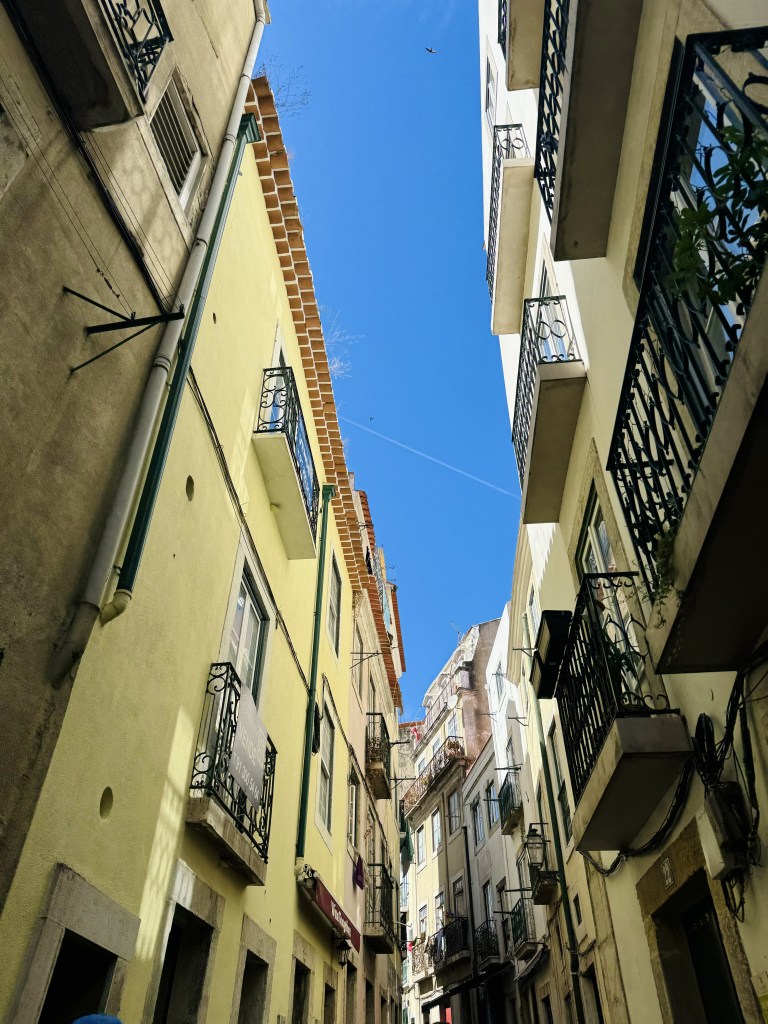
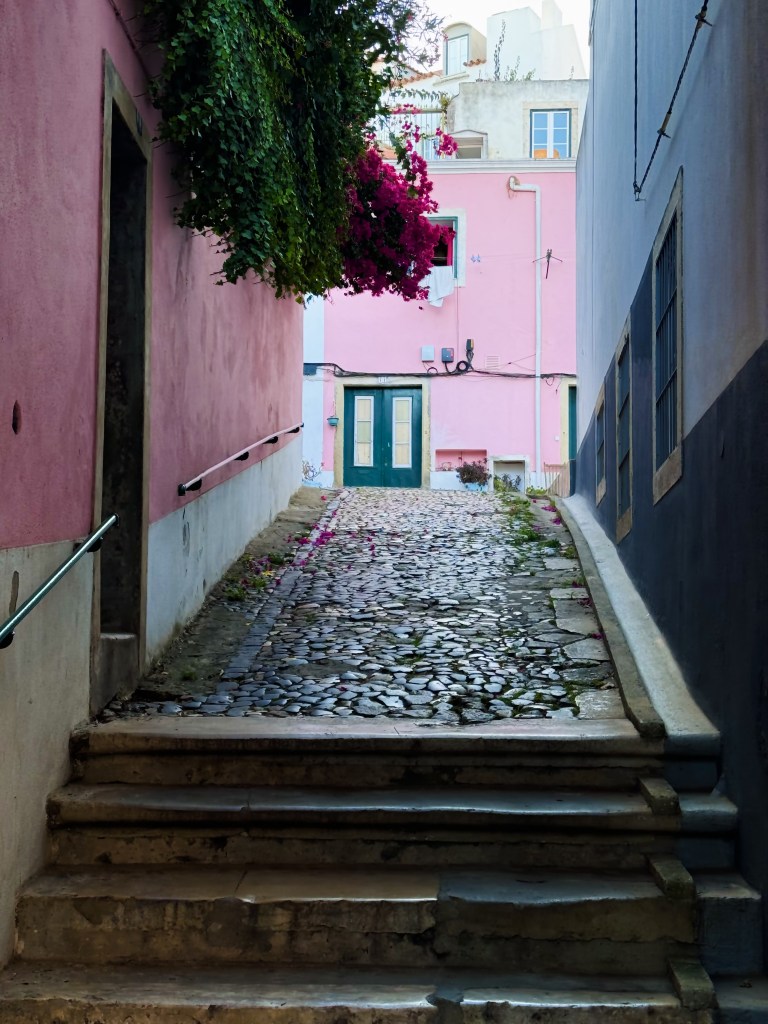
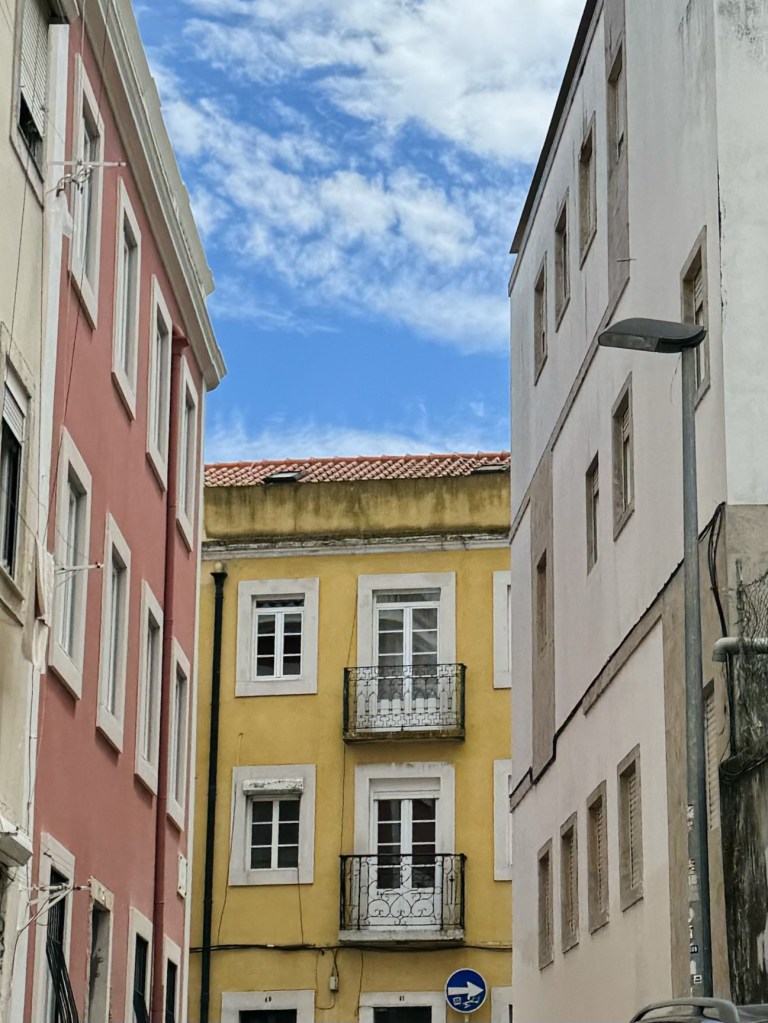
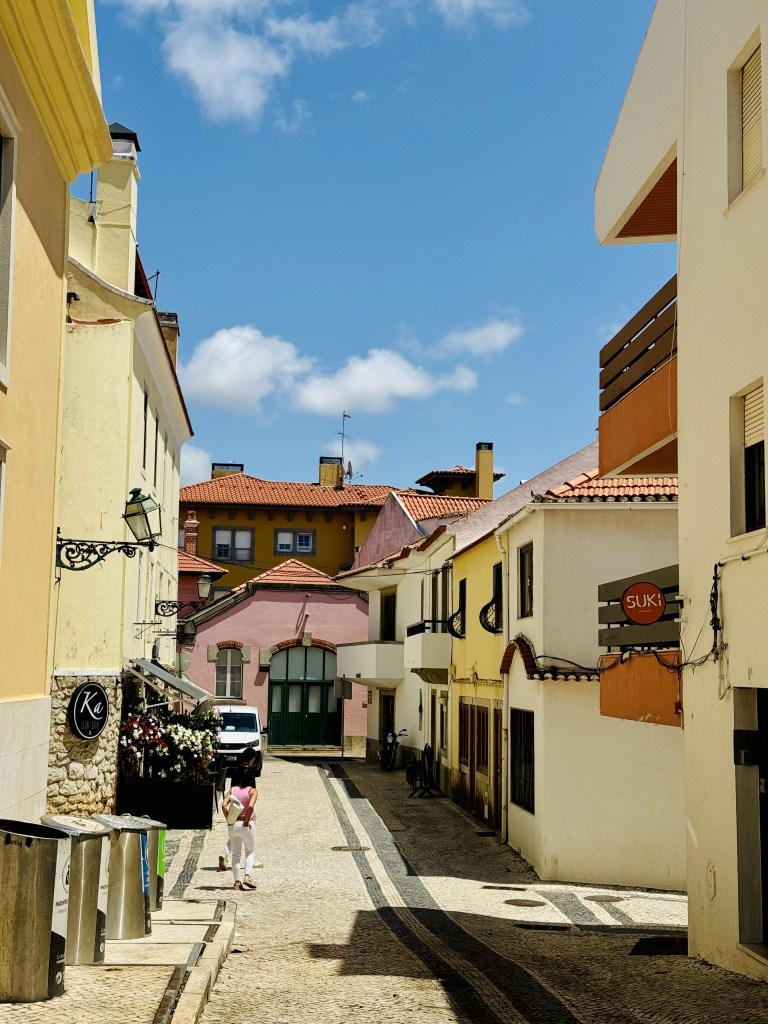
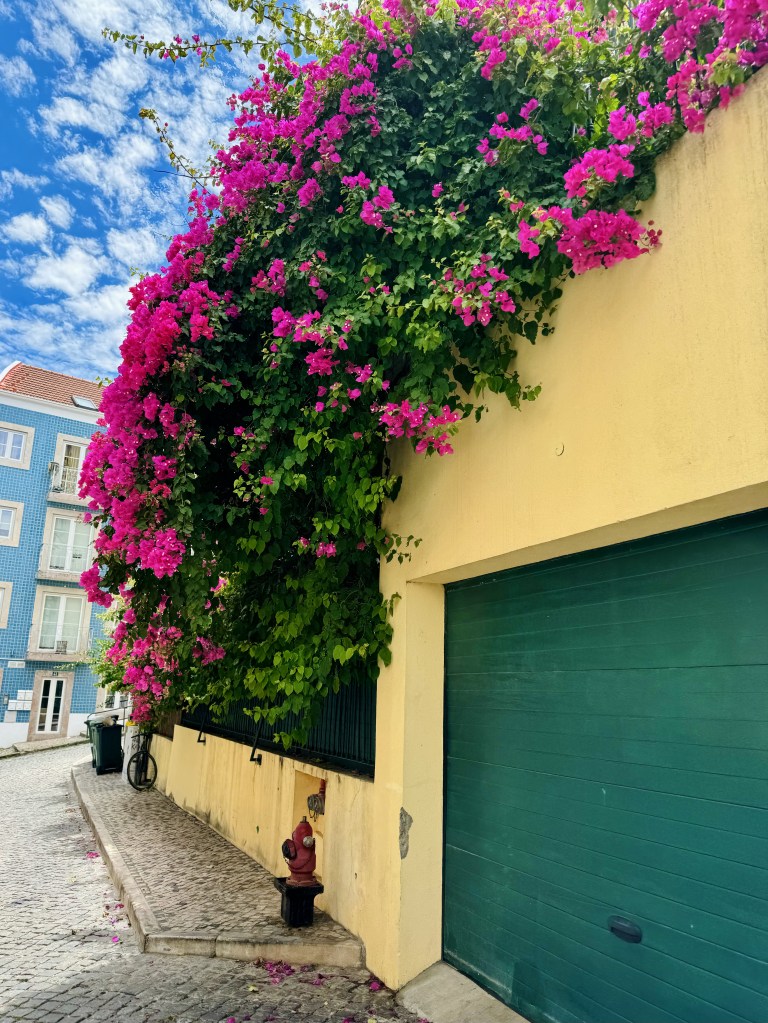
One of the most enchanting aspects of Alfama is its vibrant, colorful buildings that line the narrow, winding streets. The neighborhood is a visual feast, with colorful buildings adorned with traditional Portuguese tiles, known as azulejos. These tiles come in a variety of patterns and colors, adding a unique charm to the streetscapes. Portuguese tiles, tells a story of the neighborhood’s rich history and cultural heritage. These buildings, with their yellows, blues, pinks and greens, create a picturesque mosaic that contrasts beautifully with the bright blue sky. As you stroll through Alfama, you’ll find yourself captivated by the charm and character of these homes, where every corner reveals a new splash of color and a glimpse into the past. The combination of these vibrant exteriors with the sound of Fado music echoing from nearby cafes creates an atmosphere that’s both lively and deeply nostalgic, making Alfama a visual feast for any traveler.
3. Awe-Inspiring Street Art
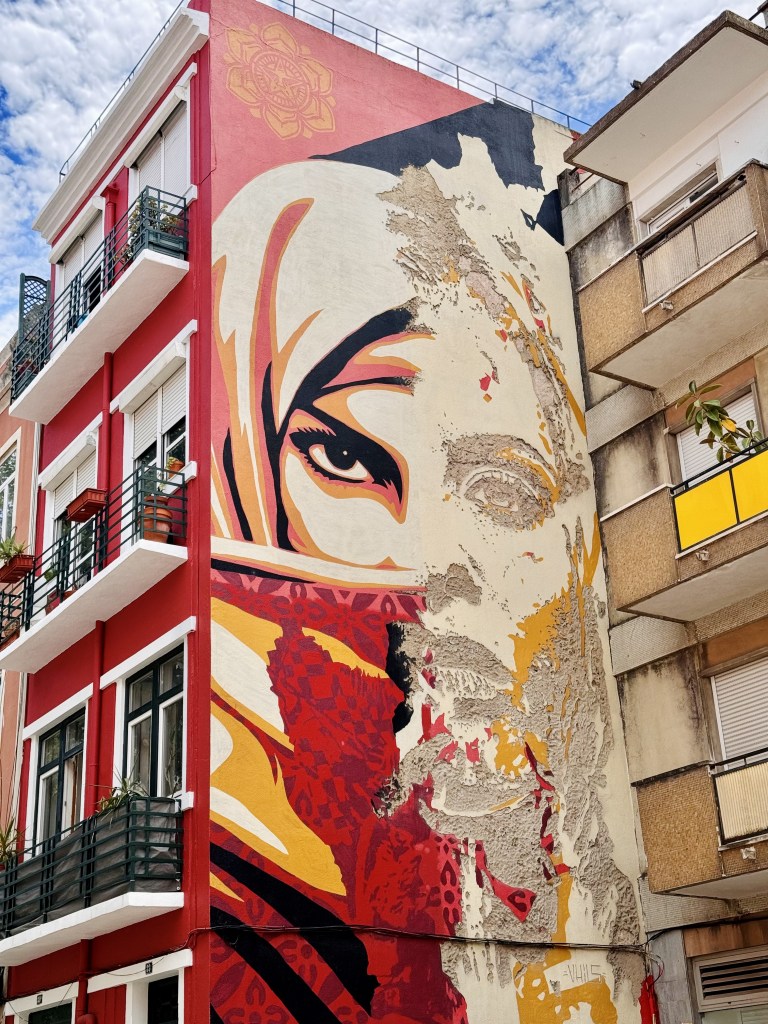
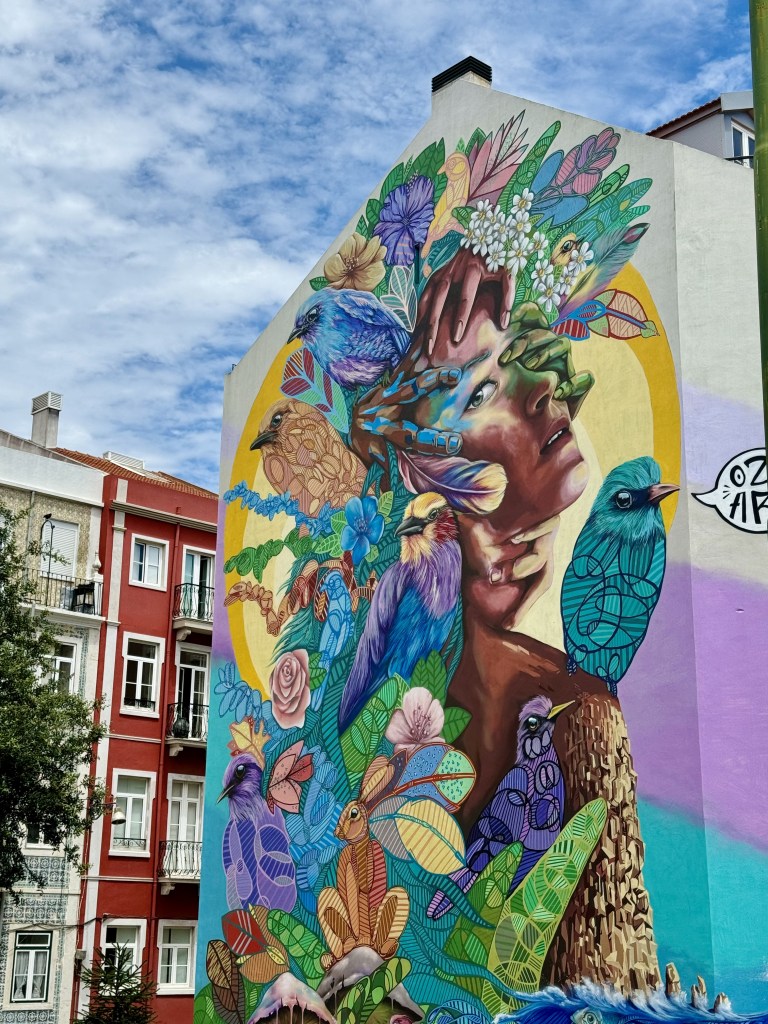
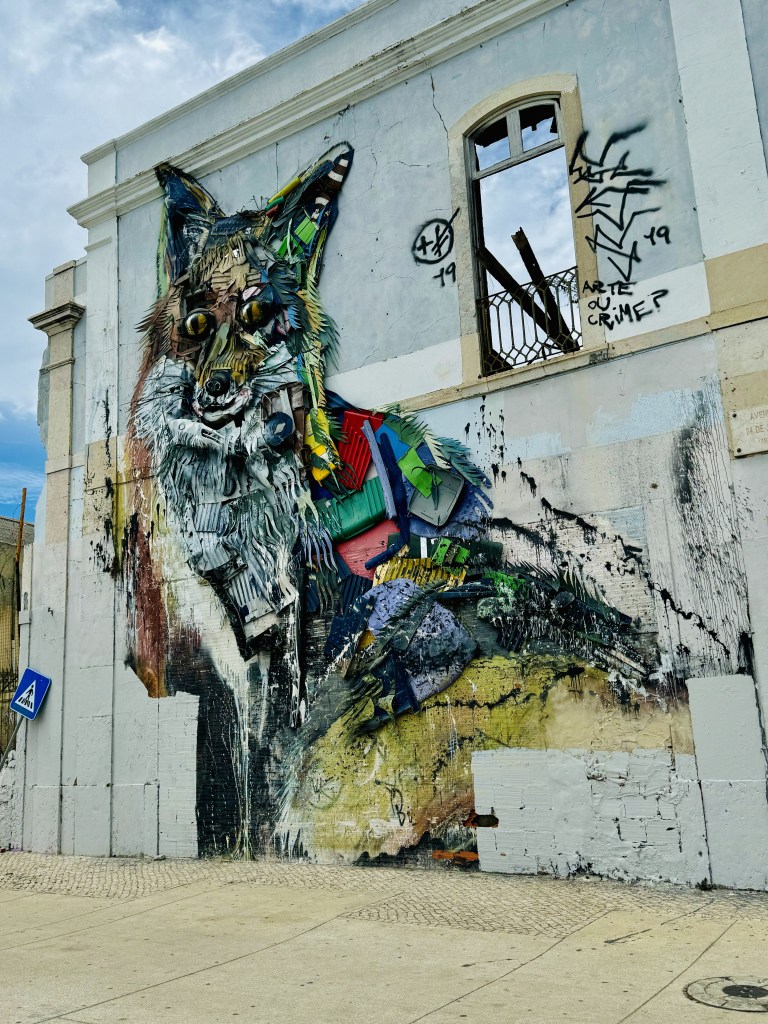
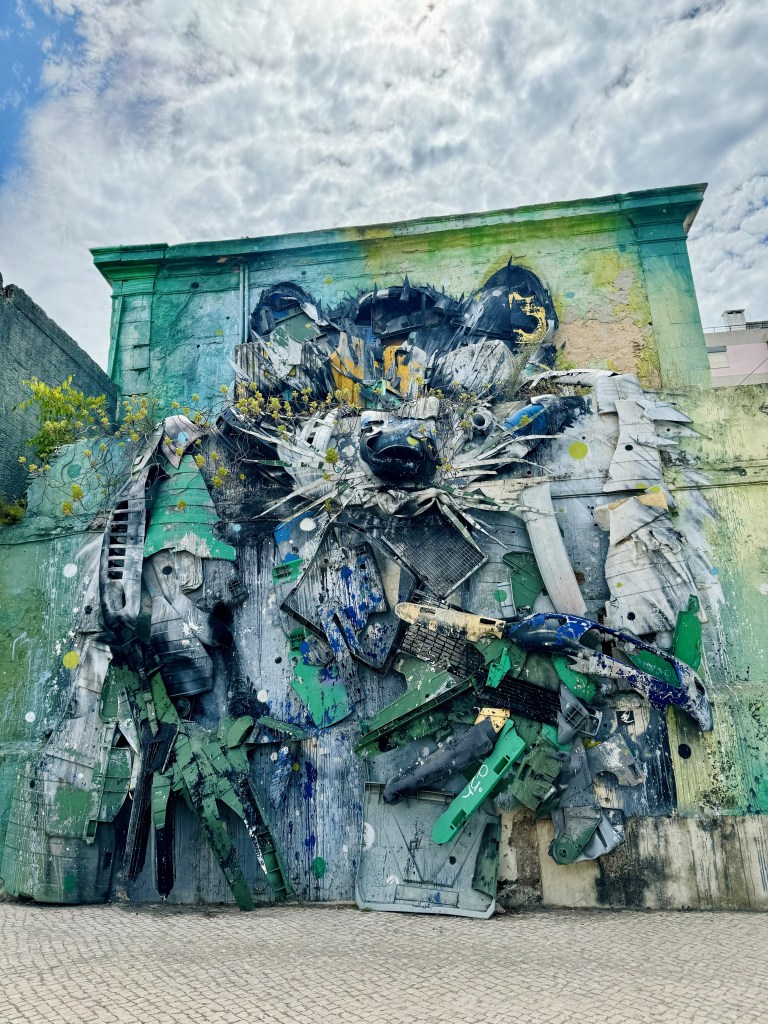
As you explore, you’ll come across striking murals and graffiti that add a modern twist to the historic surroundings. The Graça neighborhood, perched high on one of Alfama’s hills, is particularly known for its street art. Here, you can see works by renowned artists like OzeArv and Daniel Eime. These pieces are not just random doodles but thoughtfully crafted artworks that tell stories and provoke thought. They complement the traditional architecture perfectly, creating a dynamic and visually stimulating environment.
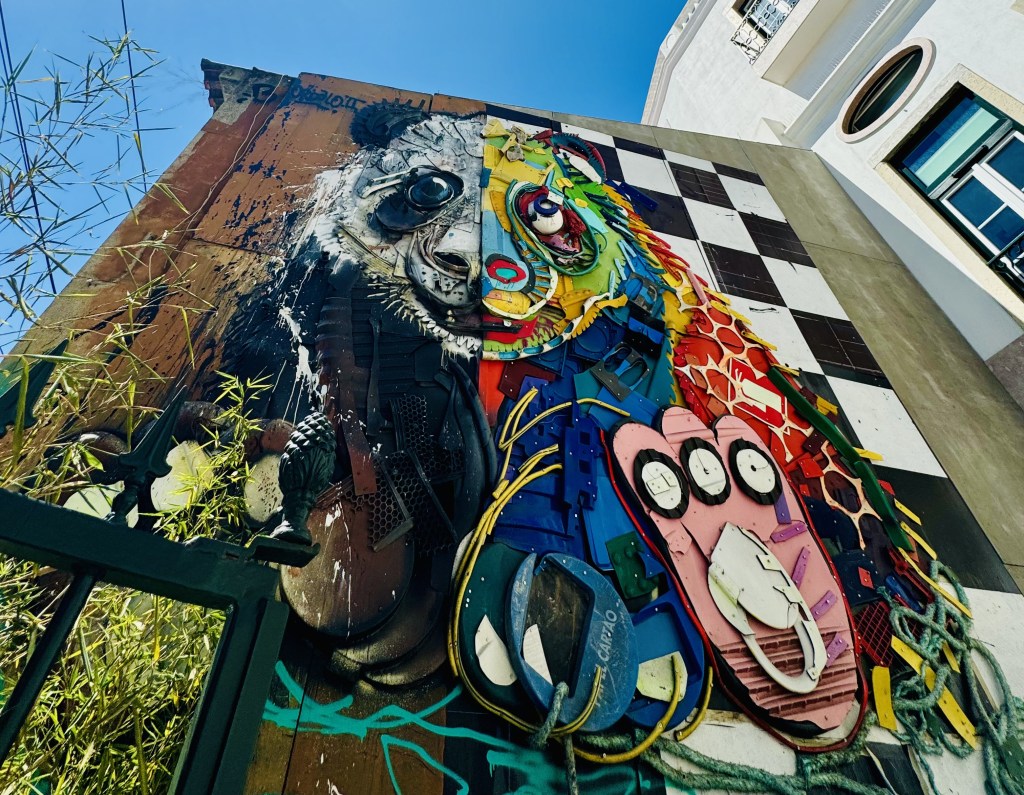
What caught my eye the most was The Big Trash Animals series! This collection features large-scale representations of animals, constructed almost entirely from garbage—the very materials that threaten their existence, as Bordalo points out. By using repurposed waste to create these massive sculptures of endangered species, Bordalo not only crafts visually stunning pieces but also delivers a powerful message about our consumer habits. These works challenge us to reconsider and reshape our relationship with waste.
The production of each piece begins with gathering materials, which are then cut, adapted, assembled, and sometimes painted. The primary medium is “garbage,” especially high-density plastics that have outlived their original purpose. The aim is to create an emotional connection between these massive animal sculptures and their viewers, encouraging reflection on our behaviors and, hopefully, sparking change and growth. When selecting the animals to depict, Bordalo often focuses on native species, those that are endangered, or even those that have already gone extinct.
4. Authentic Affordable Restaurants
Tiny, family-run restaurants line the streets, offering traditional Portuguese dishes made with fresh, local ingredients. One such gem is Lisboa Tu & Eu 1, a cozy spot tucked away in a narrow alley. Here, you can savor dishes like bacalhau (salted cod) and cuttlefish with lemon and coriander. The portions are generous, the flavors rich, and the atmosphere authentically Portuguese
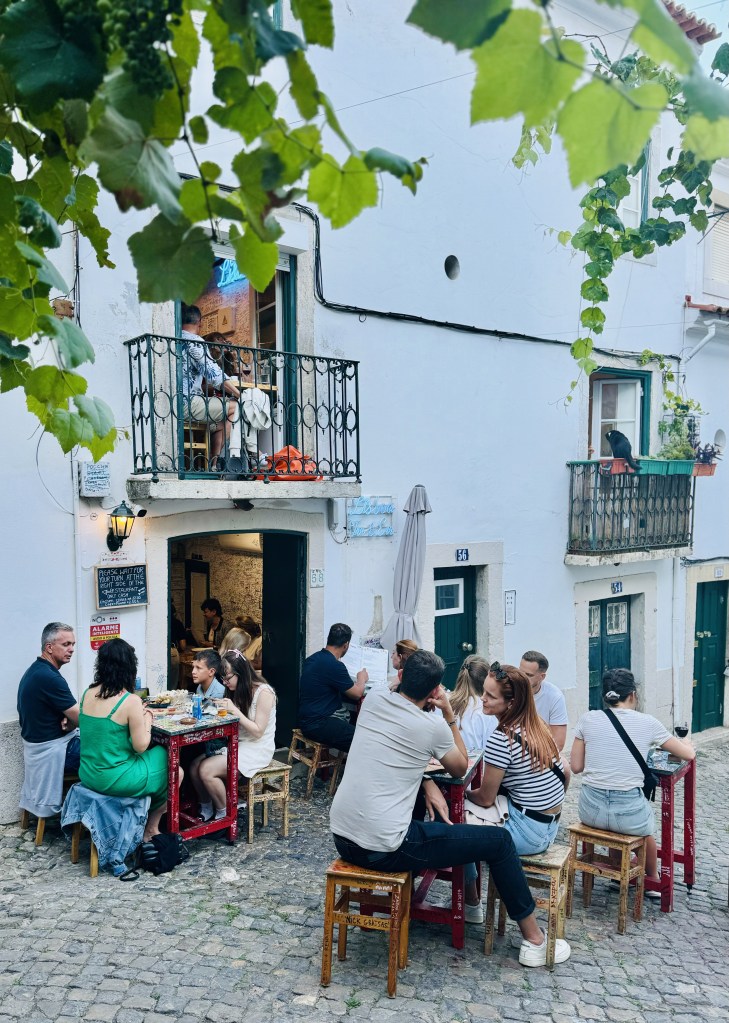
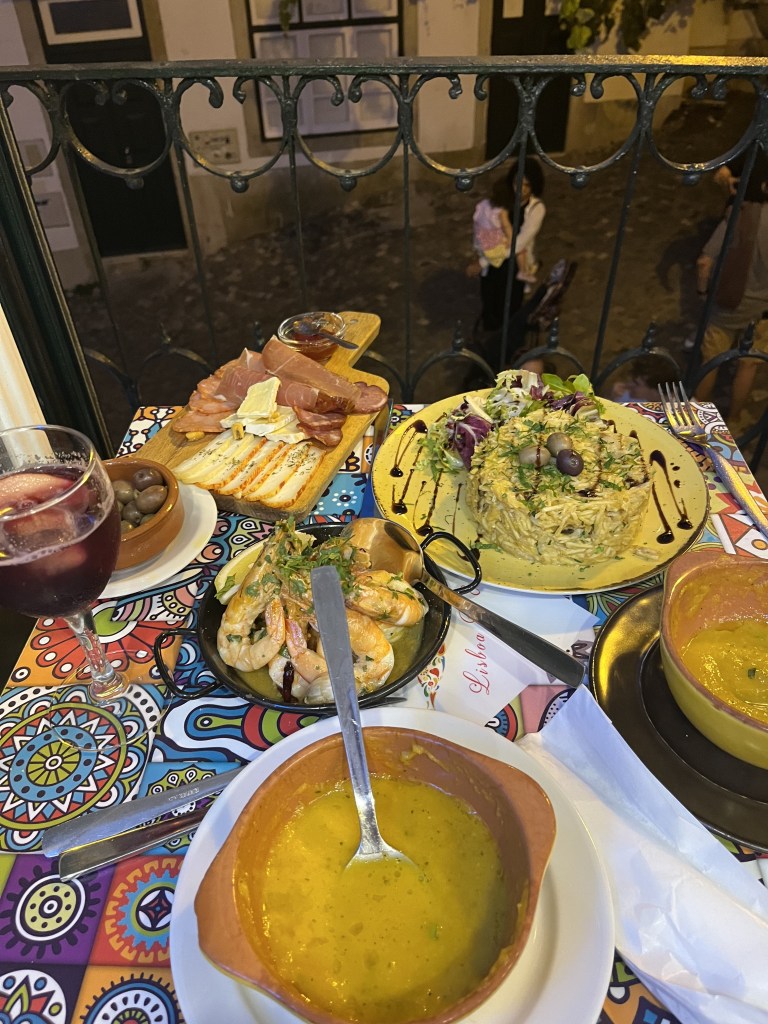
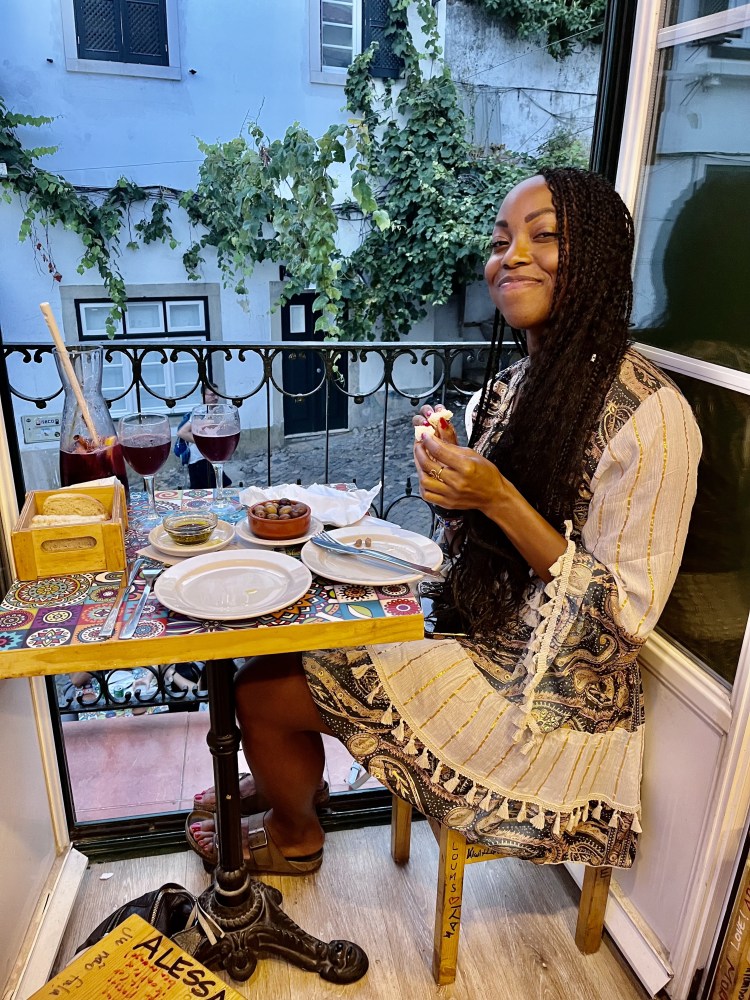
The best part? You don’t need to spend a fortune to enjoy a great meal. A hearty dinner for two, complete with wine and dessert, can be had for a fraction of what you’d pay in other European cities. This affordability allows you to indulge in a variety of dishes, making your culinary journey through Alfama even more enjoyable.
5. Electric Nightlife
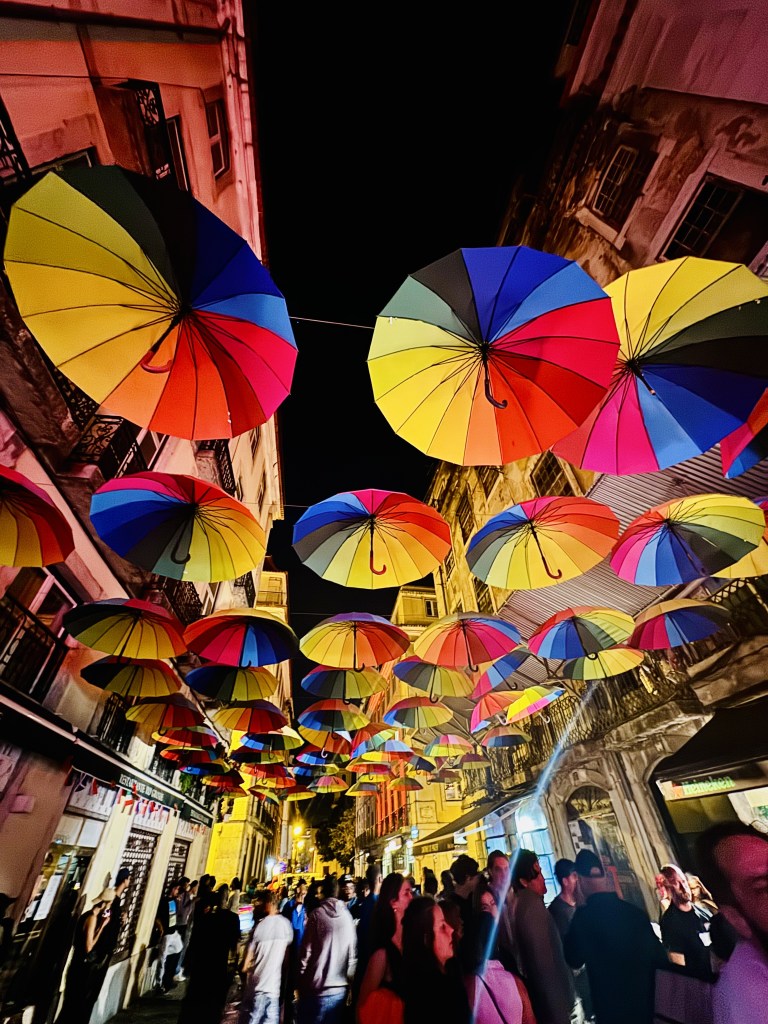
When the sun sets, Lisbon transforms into a vibrant playground that caters to every night owl’s dream. One of the most electrifying spots in the city is Pink Street, officially known as Rua Nova do Carvalho. Once a gritty red-light district, Pink Street has reinvented itself as the epicenter of Lisbon’s nightlife. This street is literally painted pink, making it a neon-lit, Instagram-perfect destination. Here, you’ll find a diverse mix of bars, clubs, and live music venues that keep the party going until dawn. Whether you’re into hipster hangouts, chic cocktail bars, or pulsating dance floors, Pink Street promises an unforgettable night out.
For a dining experience that matches the cities vibrant energy, look no further than JNcQUOI Asia. This isn’t just a restaurant; it’s a neon-filled wonderland that takes dining to a whole new level. Located on the stylish Avenida da Liberdade, JNcQUOI Asia is the epitome of cool. As you step inside, you’re greeted by a riot of colors, dazzling neon lights, and an atmosphere buzzing with excitement. The centerpiece of this eclectic haven is a massive dragon sculpture, setting the stage for a culinary adventure like no other.

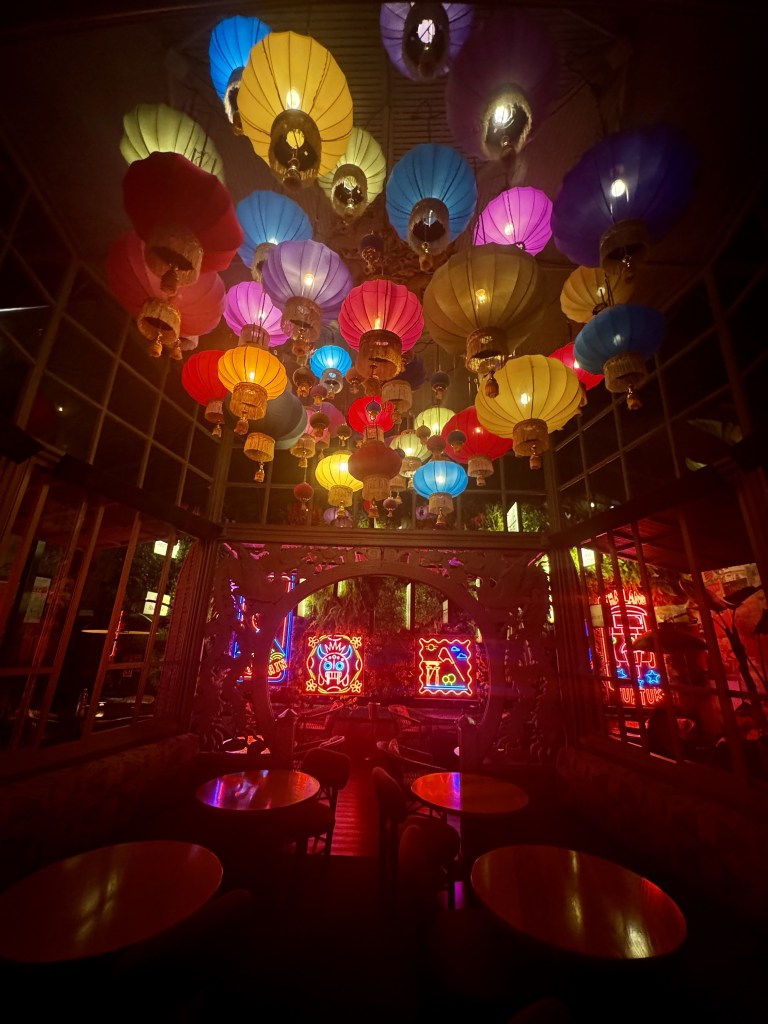

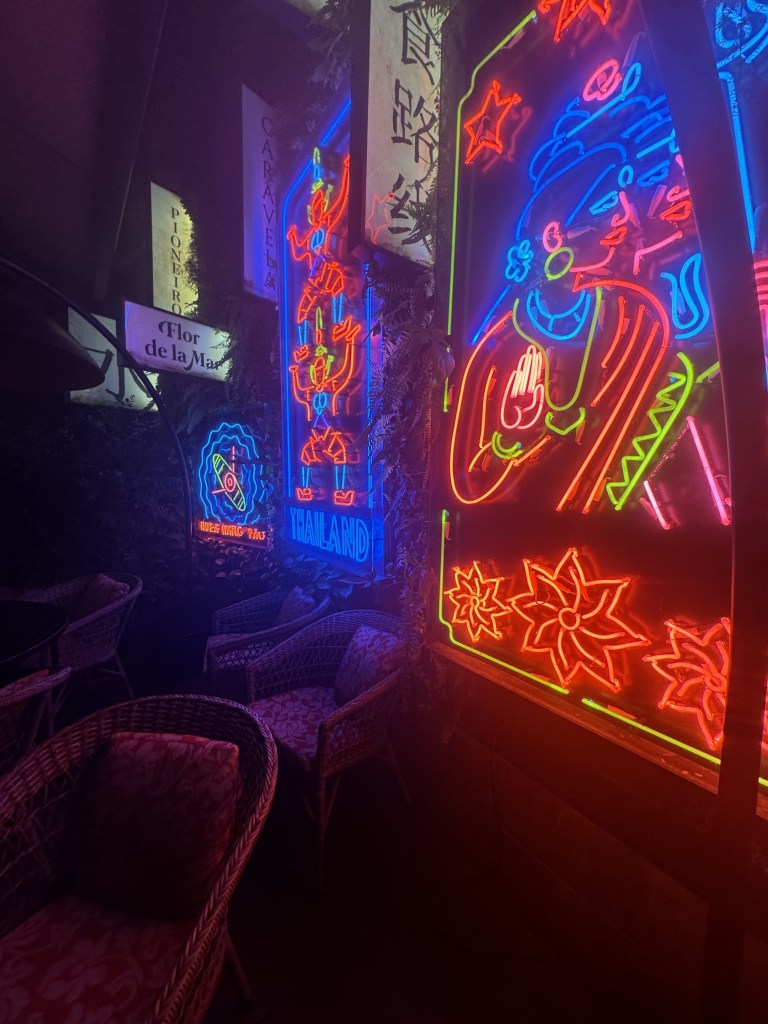
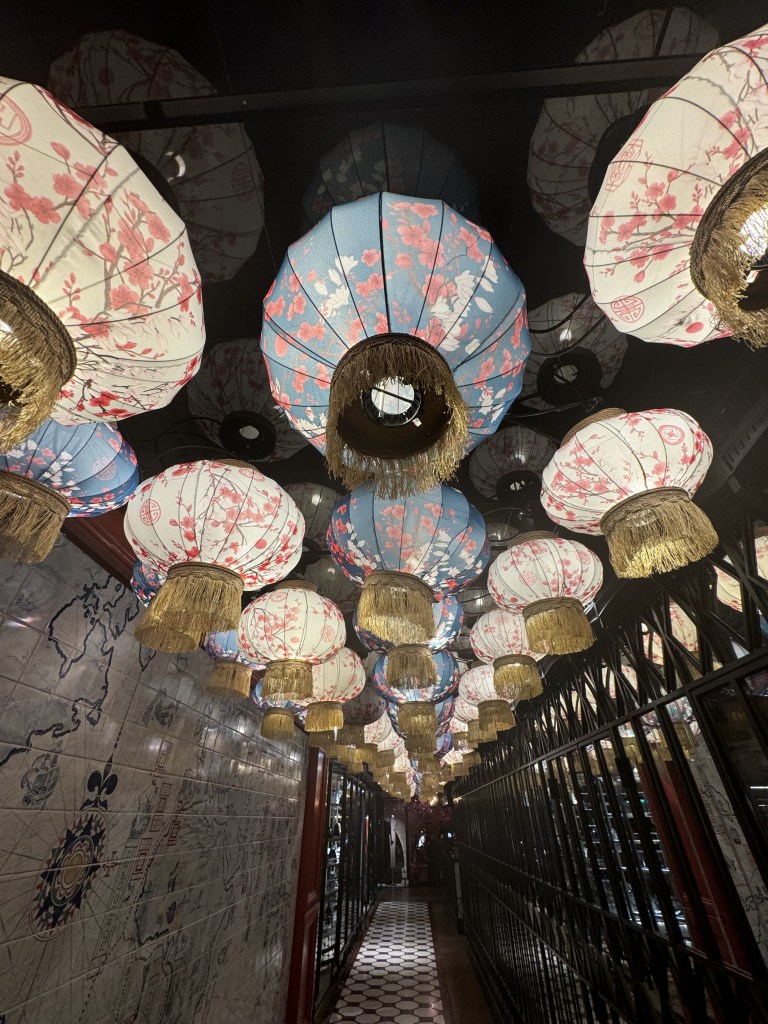
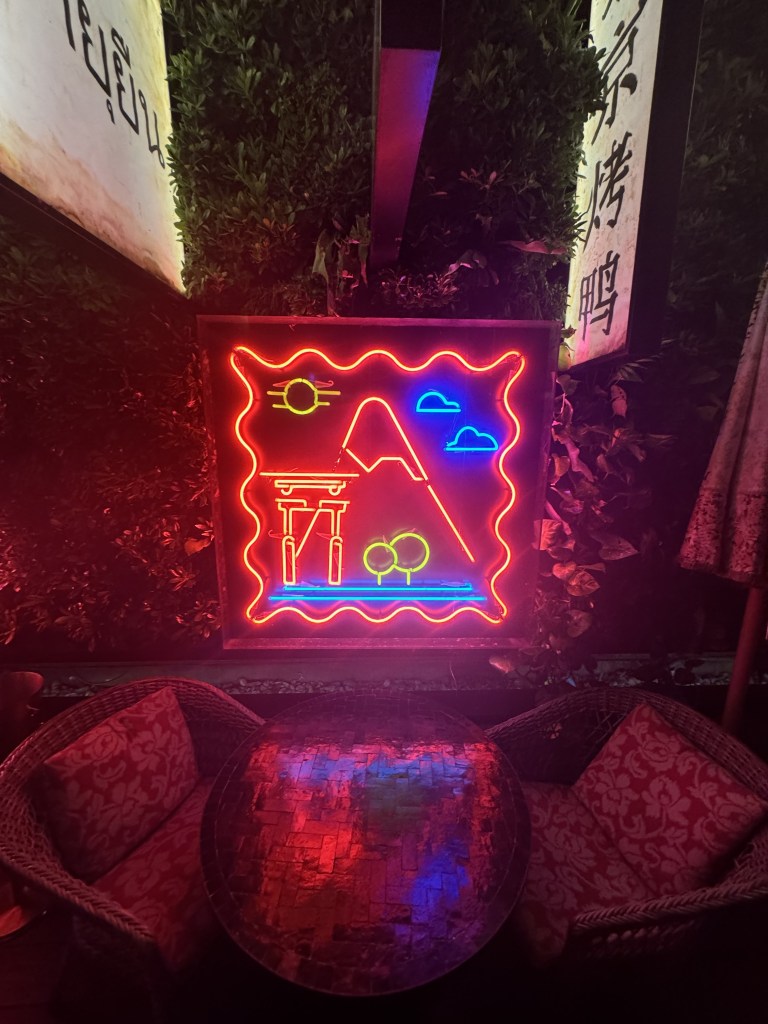
The menu is a thrilling fusion of Asian cuisines, offering everything from exquisite sushi and sashimi to mouth-watering dim sum and spicy curries that pack a punch. The cocktails here are as imaginative as the decor, each one a vibrant concoction that perfectly complements the restaurant’s lively vibe. Imagine sipping on a neon-hued drink under the glow of electric pink lights, surrounded by an ambience that’s both exotic and electrifying.
6. Coastal Fortress Beaches

While Alfama itself is a historical and cultural treasure, it also offers easy access to some of the best beaches in Portugal. Imagine this: after a morning spent wandering the charming, winding streets of Alfama, you hop on a quick train ride and find yourself in the coastal town of Cascais, a perfect destination for a day trip. But what makes this coastal gem truly extraordinary is the opportunity to swim at a castle! Yes, you heard that right—Cascais is home to the breathtaking Cidadela de Cascais, a historic fortress that overlooks the sea, providing stunning panoramic views of the Atlantic.
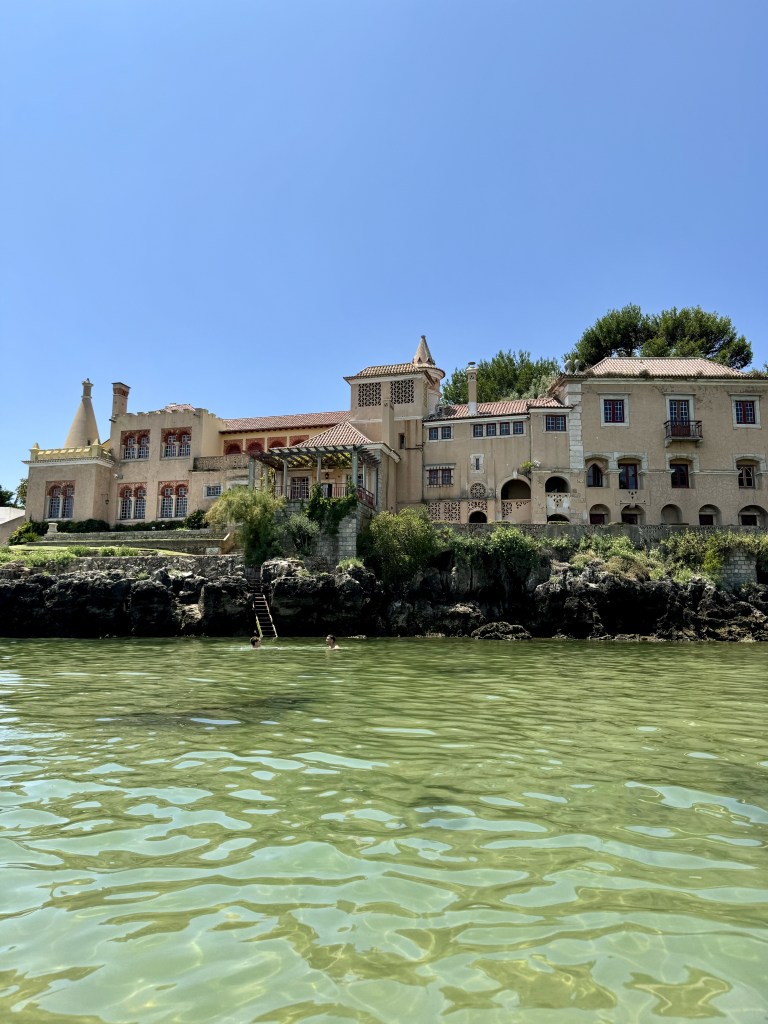
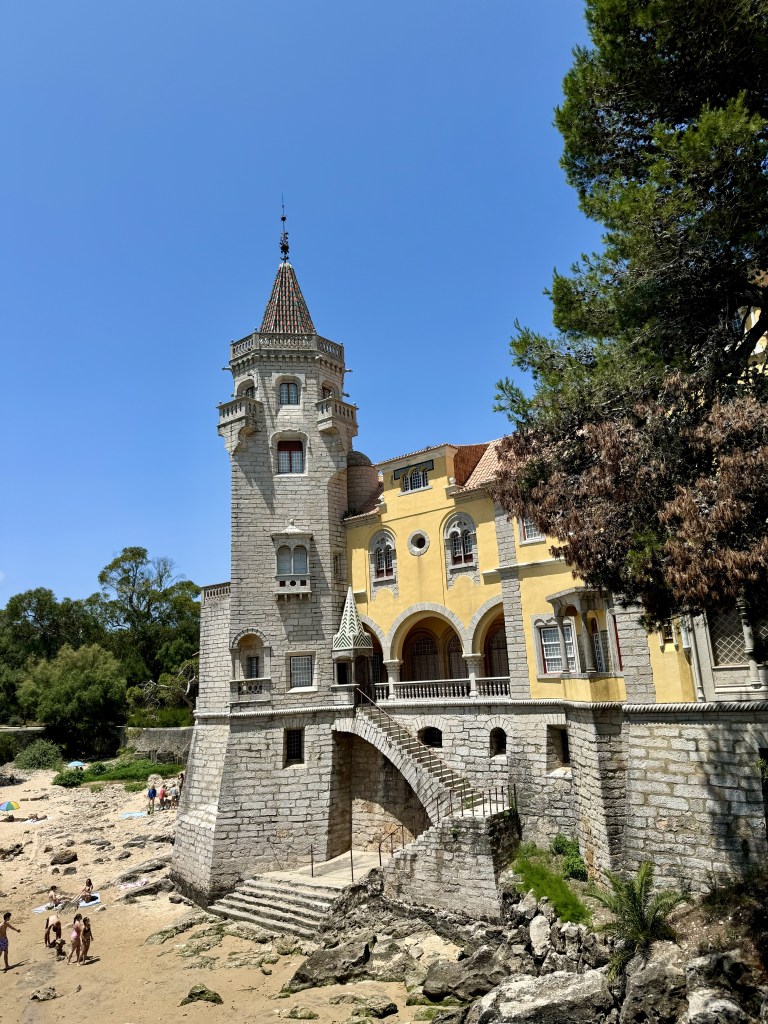
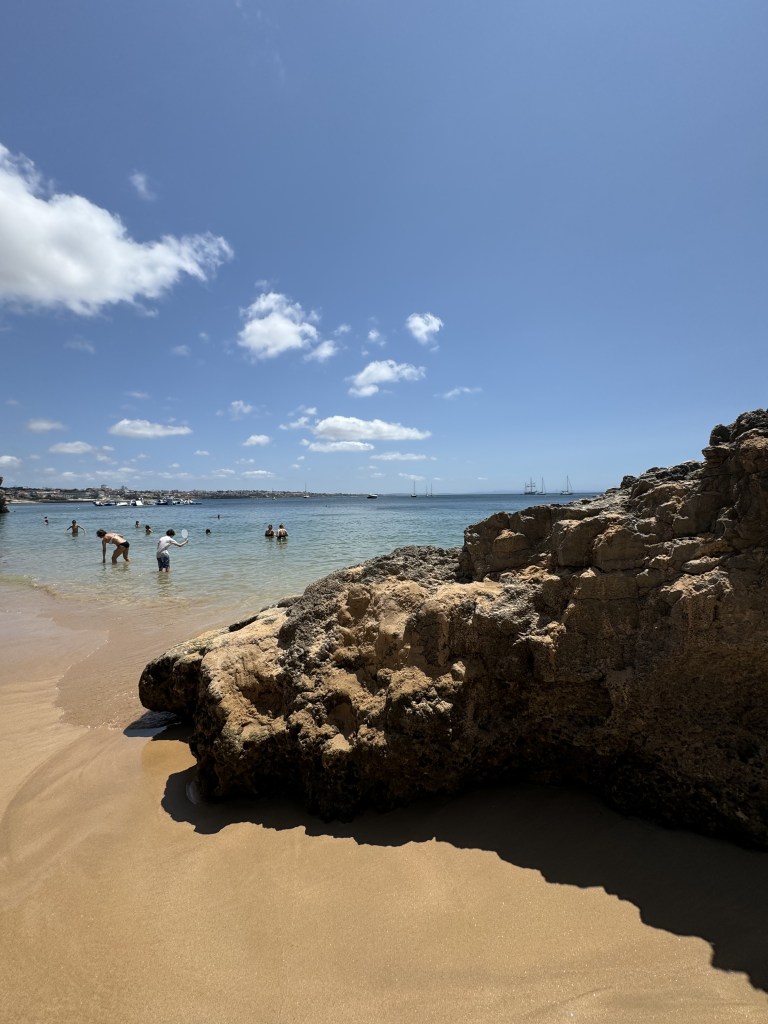
Picture yourself lounging on the beach, the ancient walls of the castle standing majestically behind you. The combination of history and seaside relaxation creates a truly unique experience. You can take a refreshing dip in the clear blue waters, with the castle as your backdrop, making for an unforgettable swim that blends the past and present seamlessly.
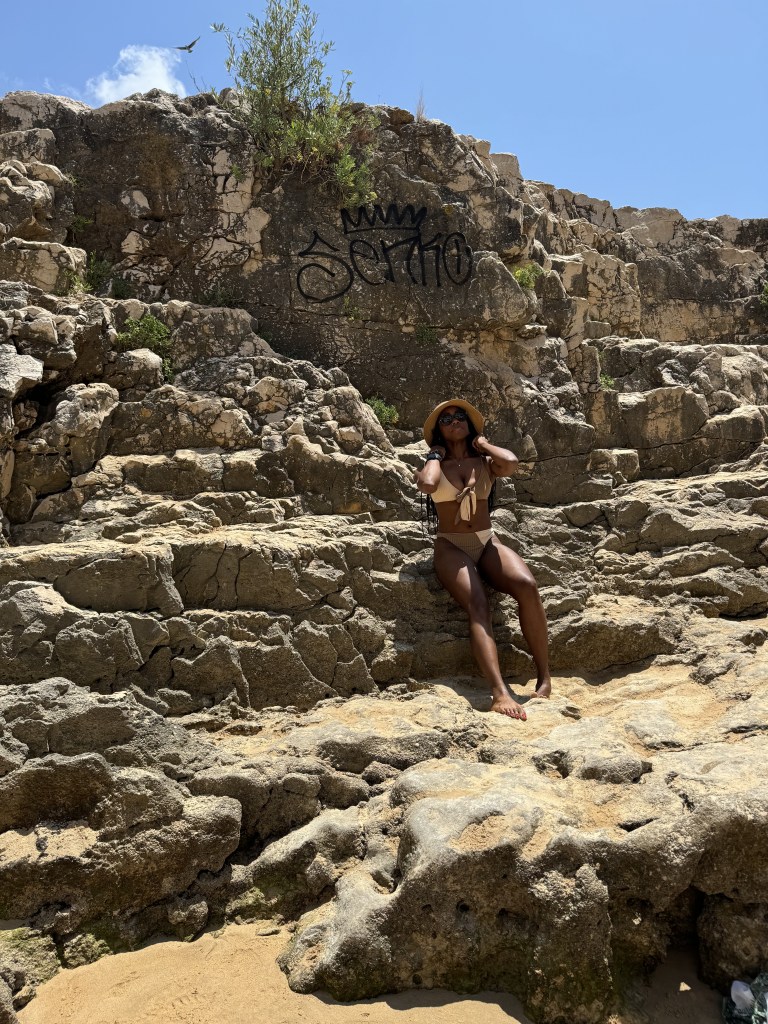
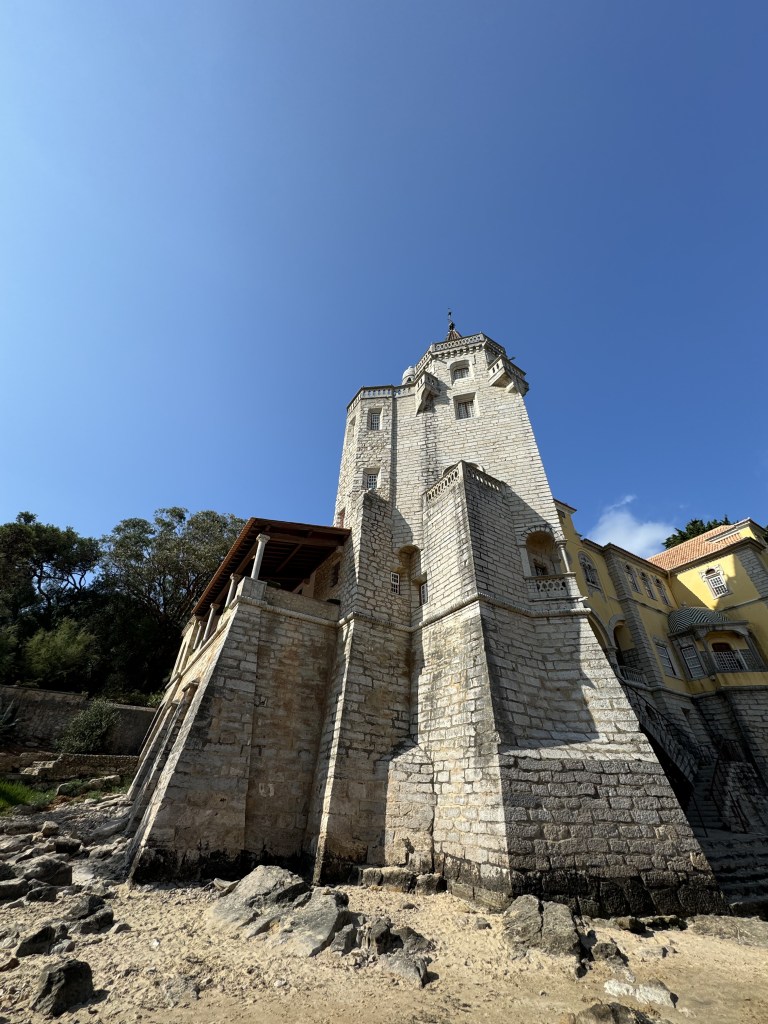
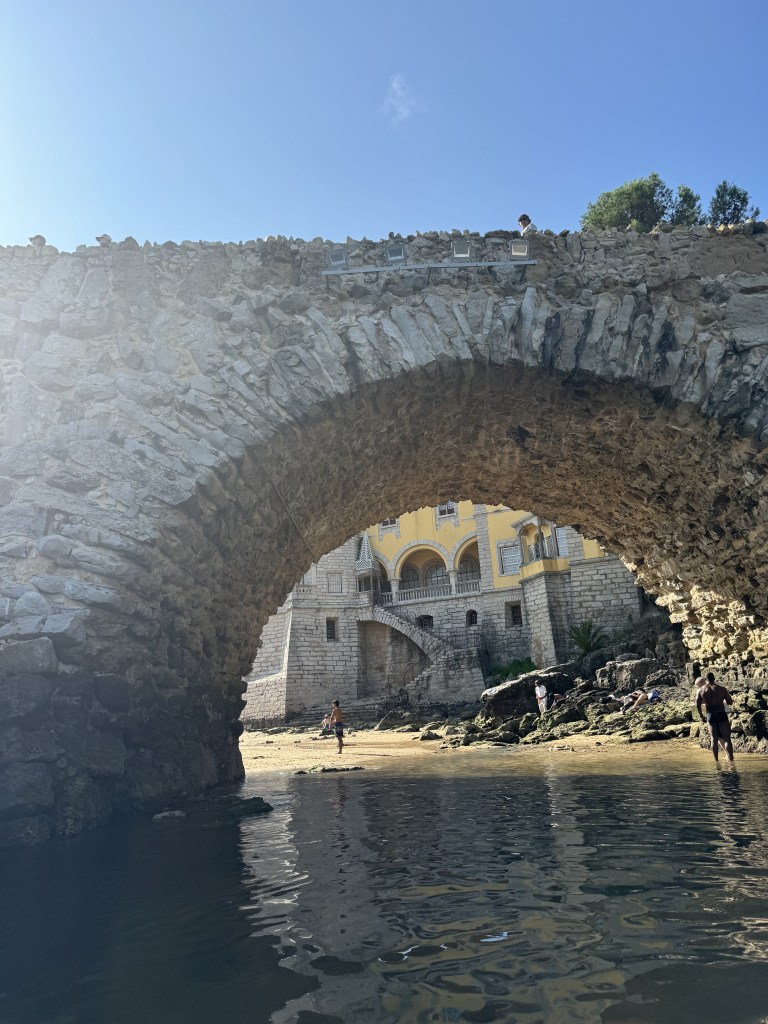

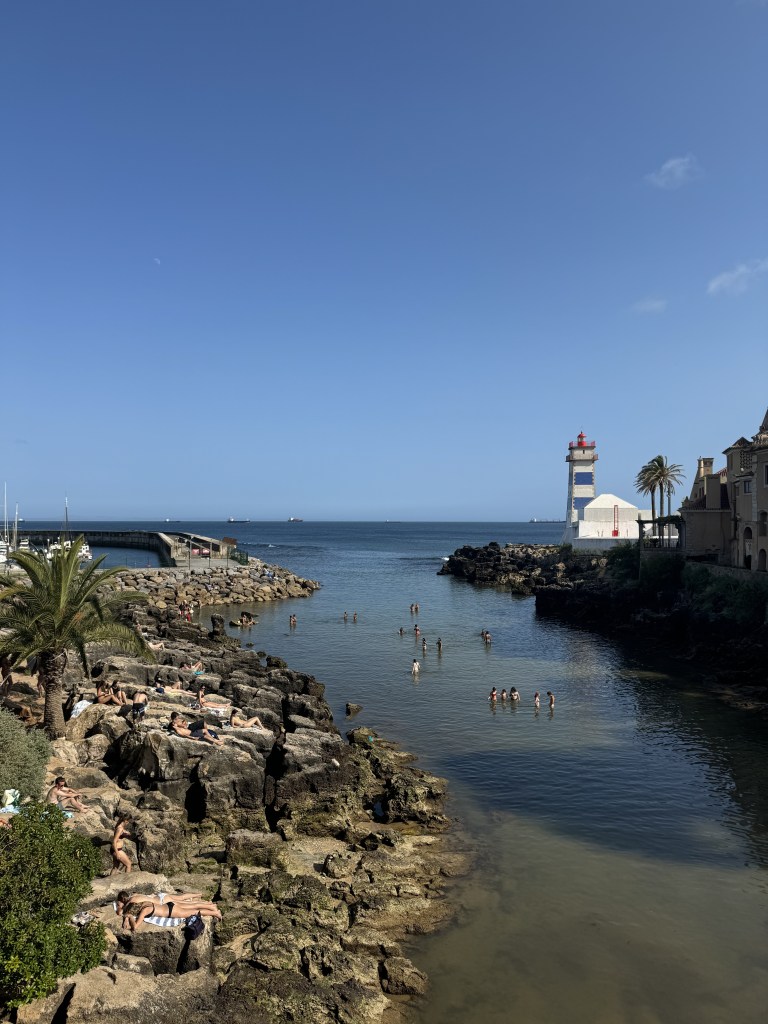

Swimming at a castle in Cascais is the perfect way to balance culture and relaxation during your trip. It’s an experience that combines the rich history of Portugal with the natural beauty of its coastline, making it a must-do on your Lisbon adventure. So, pack your swimsuit and get ready to dive into history!
After your swim, explore the Cidadela itself. Wander through its historic grounds, visit the on-site museums, and soak in the atmosphere of this centuries-old fortress. Then, stroll along the charming streets of Cascais, enjoy fresh seafood at seaside restaurants, and watch the sunset over the Atlantic.
7. Deep Historical Roots
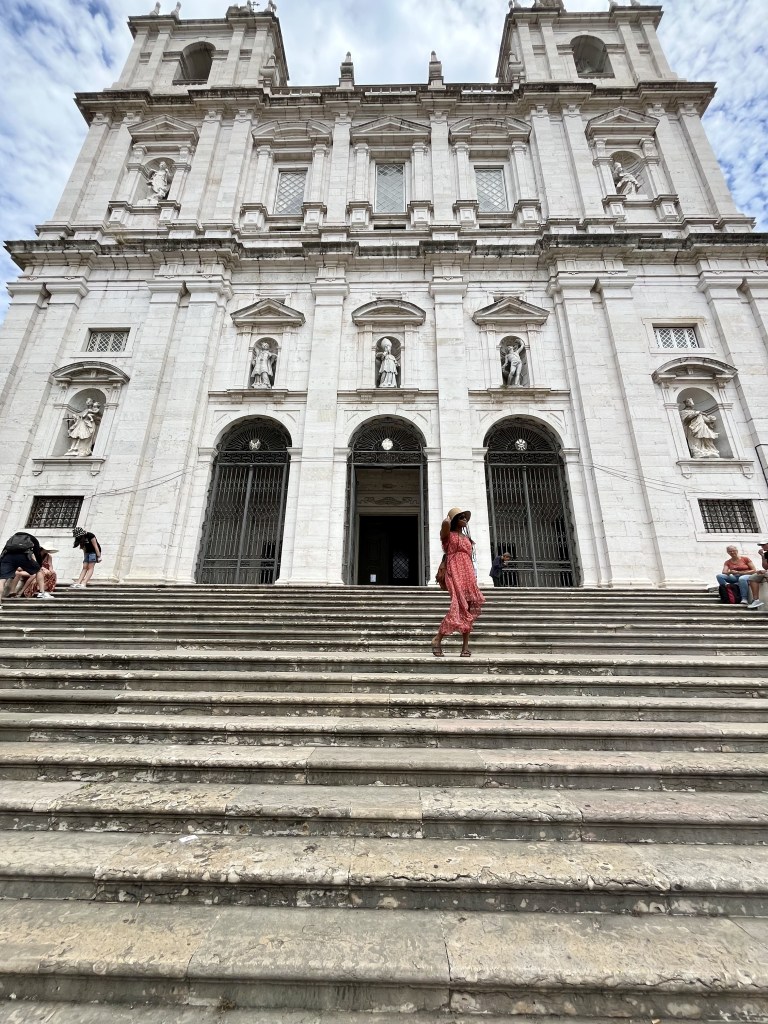
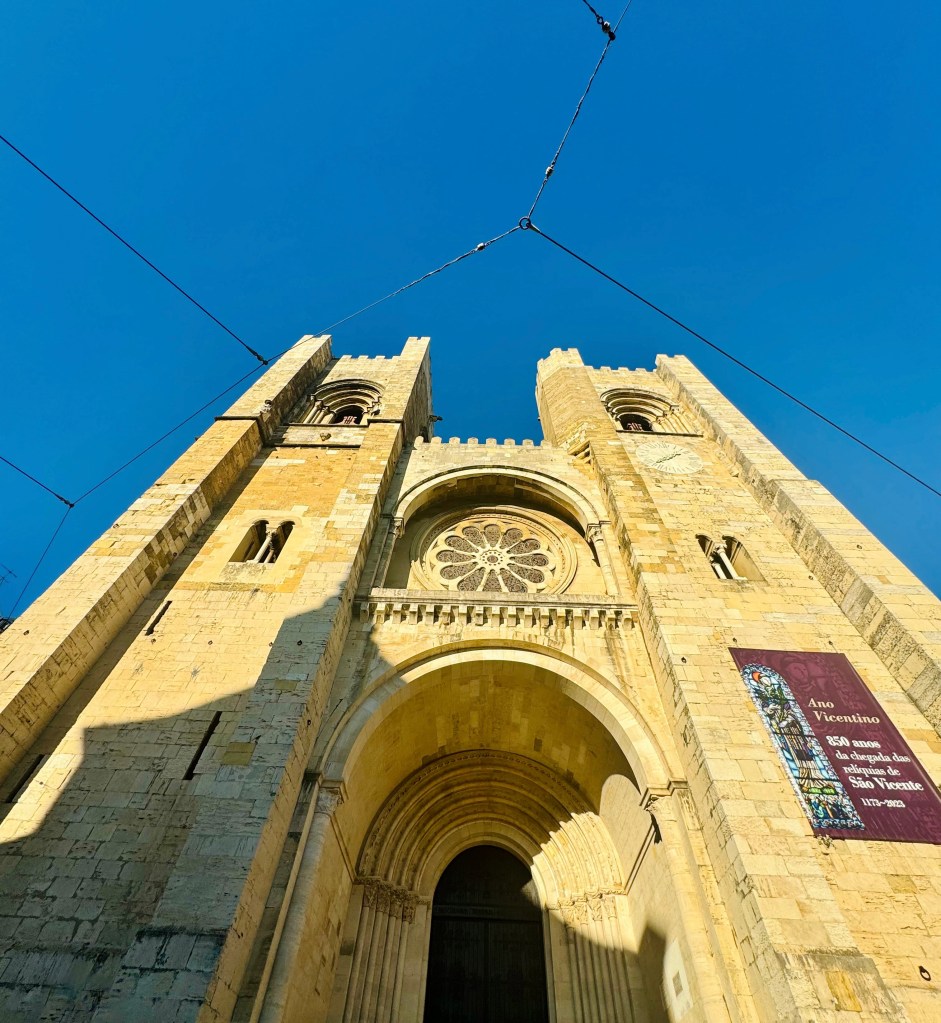
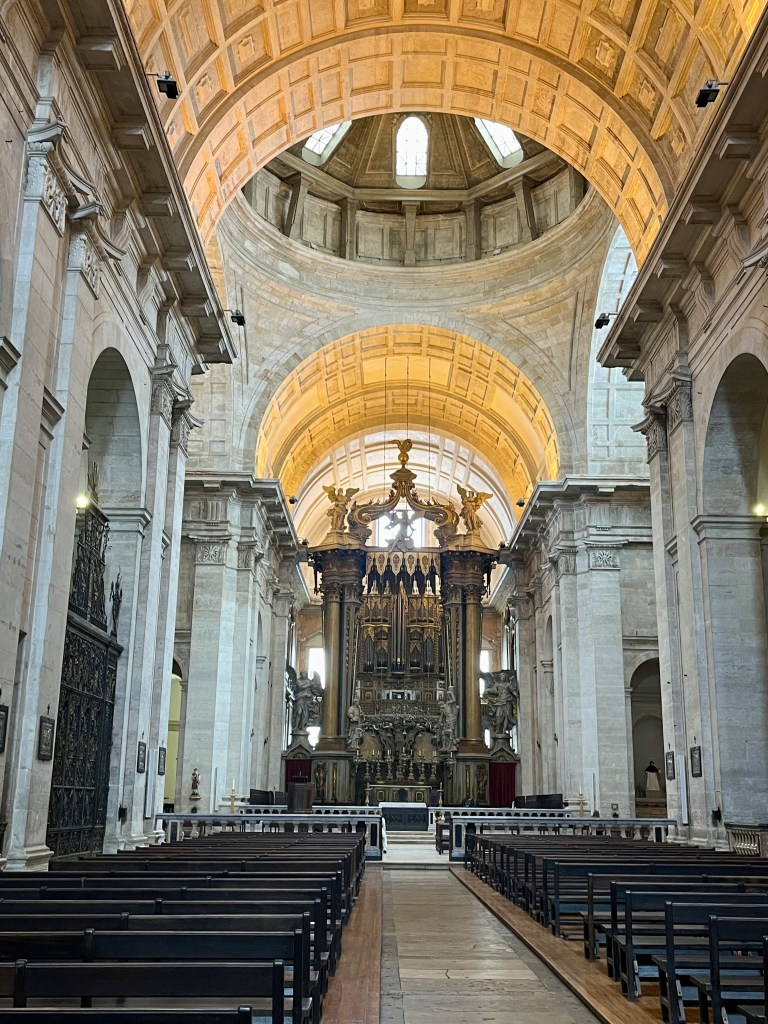
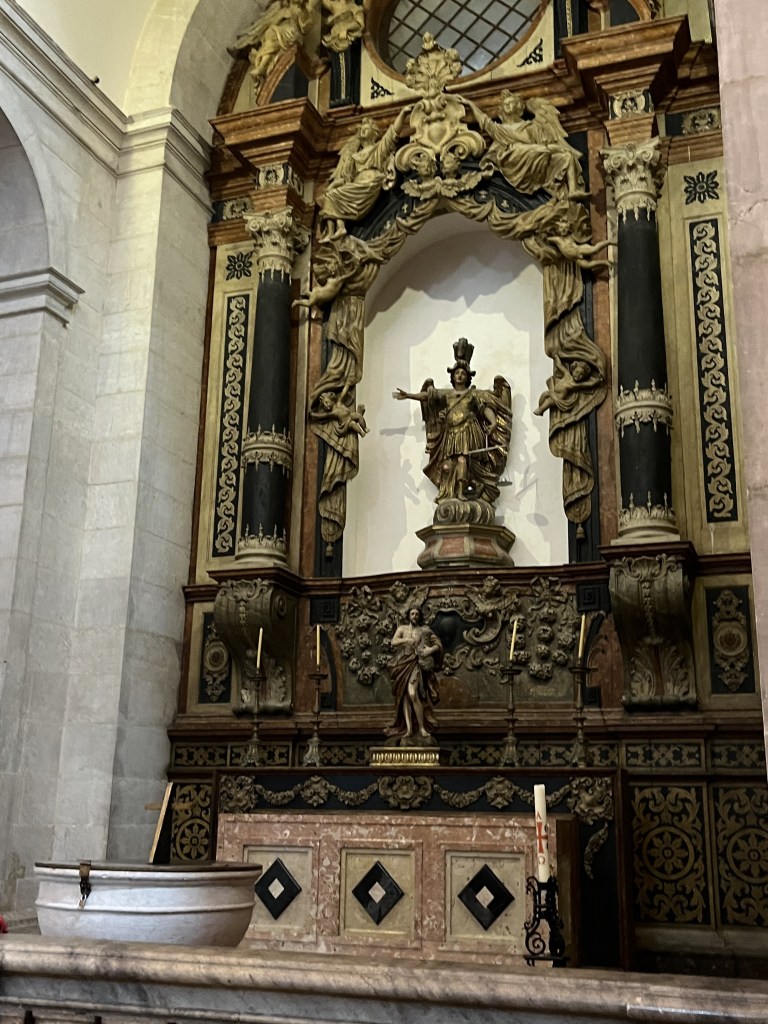
Alfama, Lisbon’s oldest neighborhood, is steeped in history that dates back to the Iron Age. As you wander its narrow, cobbled streets, you’ll find yourself transported through time. The neighborhood bears the marks of its diverse past, from Roman and Moorish influences to its transformation during Portugal’s Christian reconquest in the 12th century. The grand Lisbon Cathedral, nearly nine centuries old, stands as a testament to Alfama’s enduring significance. Despite the catastrophic earthquake of 1755 that devastated much of Lisbon, Alfama remarkably retained its medieval layout, preserving its labyrinthine streets and historic buildings. This resilience is reflected in the many churches that dot the area, such as São Vicente de Fora and Santo Estêvão, which offer glimpses into the neighborhood’s storied past. Alfama’s rich tapestry of history and culture makes it a must-visit destination for anyone looking to explore the heart and soul of Lisbon.
Fun fact: Alfama’s name is derived from the Arabic word “al-hamma,” meaning baths or fountains, reflecting the neighborhood’s Moorish roots.

8. Crazy Cheap Ubers!

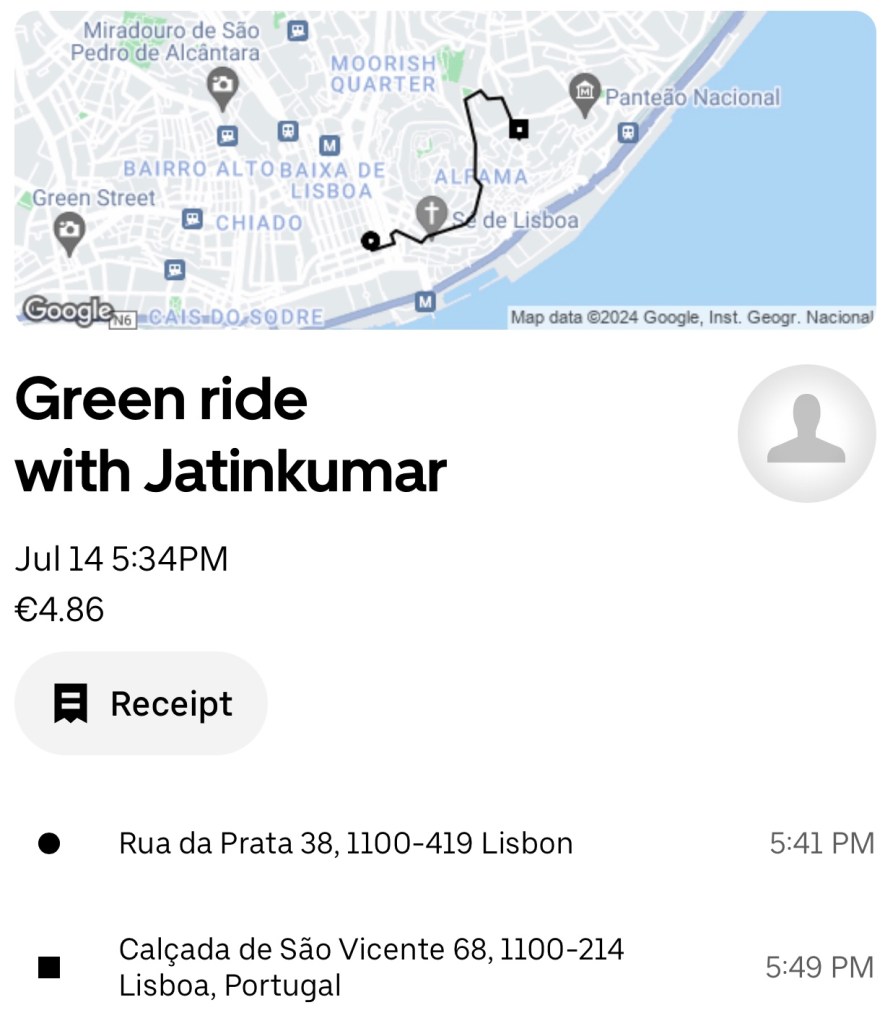
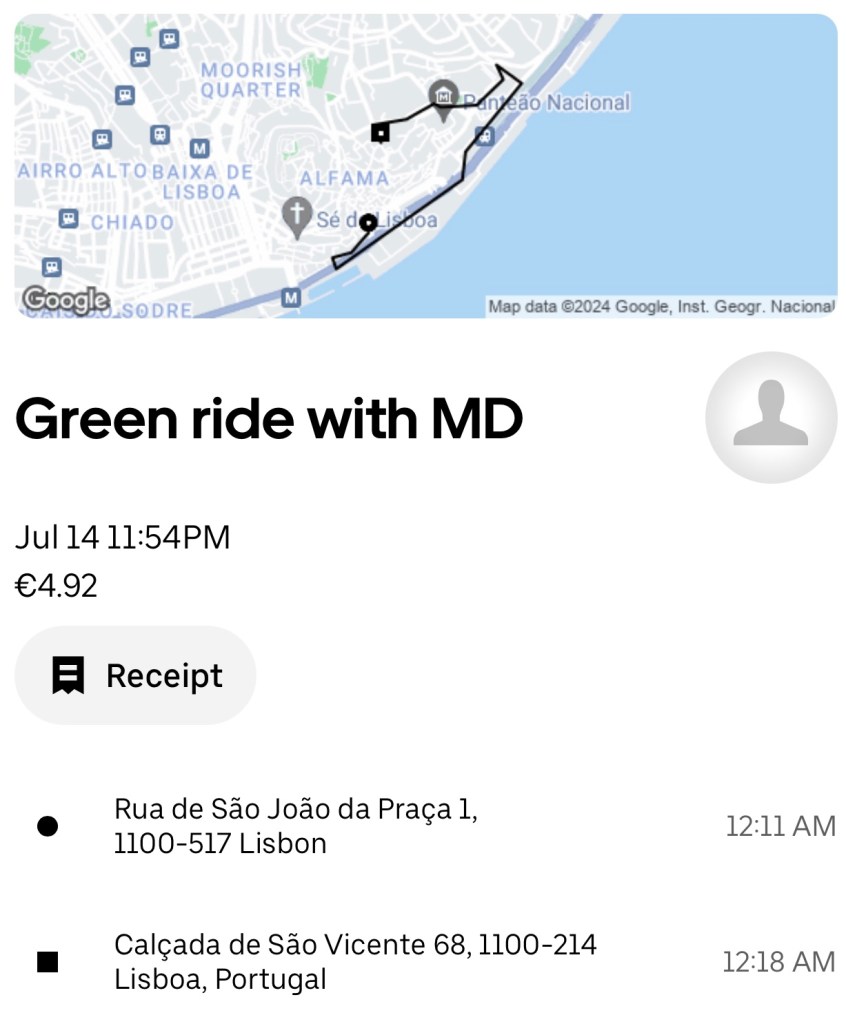
One of the many perks of visiting Lisbon is how budget-friendly it can be, especially when it comes to getting around the city. While Lisbon offers a wide ray of efficient public transport system, sometimes you just want the convenience of a door-to-door uber ride. In Lisbon, Uber fares are surprisingly low compared to many other European capitals —like super cheap! Whether you’re heading from your hotel to a trendy restaurant, you can expect to pay under $10, heck most of the time under $5 which is significantly less for your ride than you would pay in Paris or London. A typical trip across the city center often costs less than the price of a coffee, making it an economical option for both daytime exploring and nighttime adventures. So, as you plan your Lisbon itinerary, rest easy knowing that getting around the city won’t break the bank.

To wrap this up,